 Case competition · Audience acquisition · Marketing campaign · Go-to-market · Forecasting
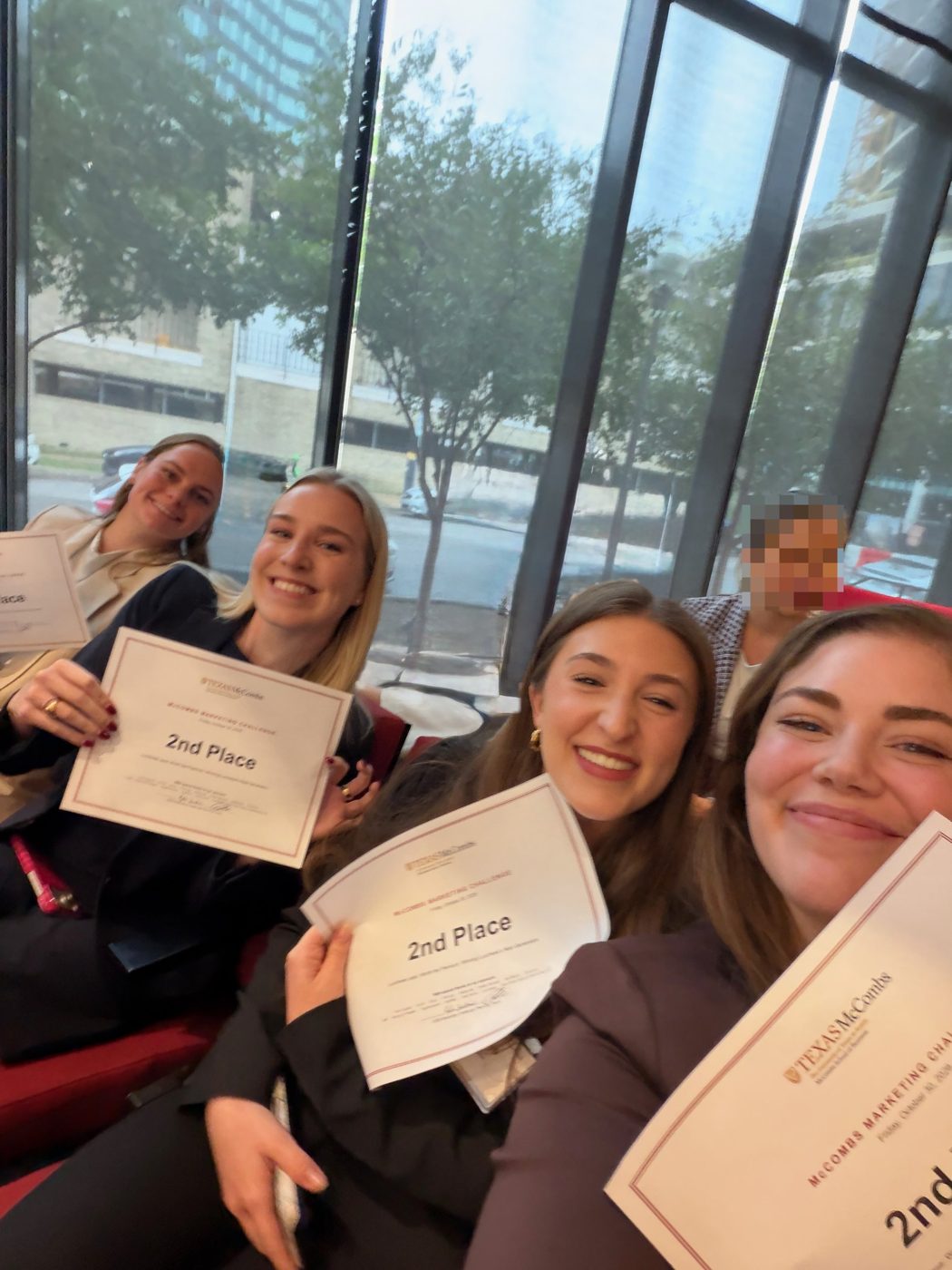
2nd of 19 teams at the CCIMS Case Competition.
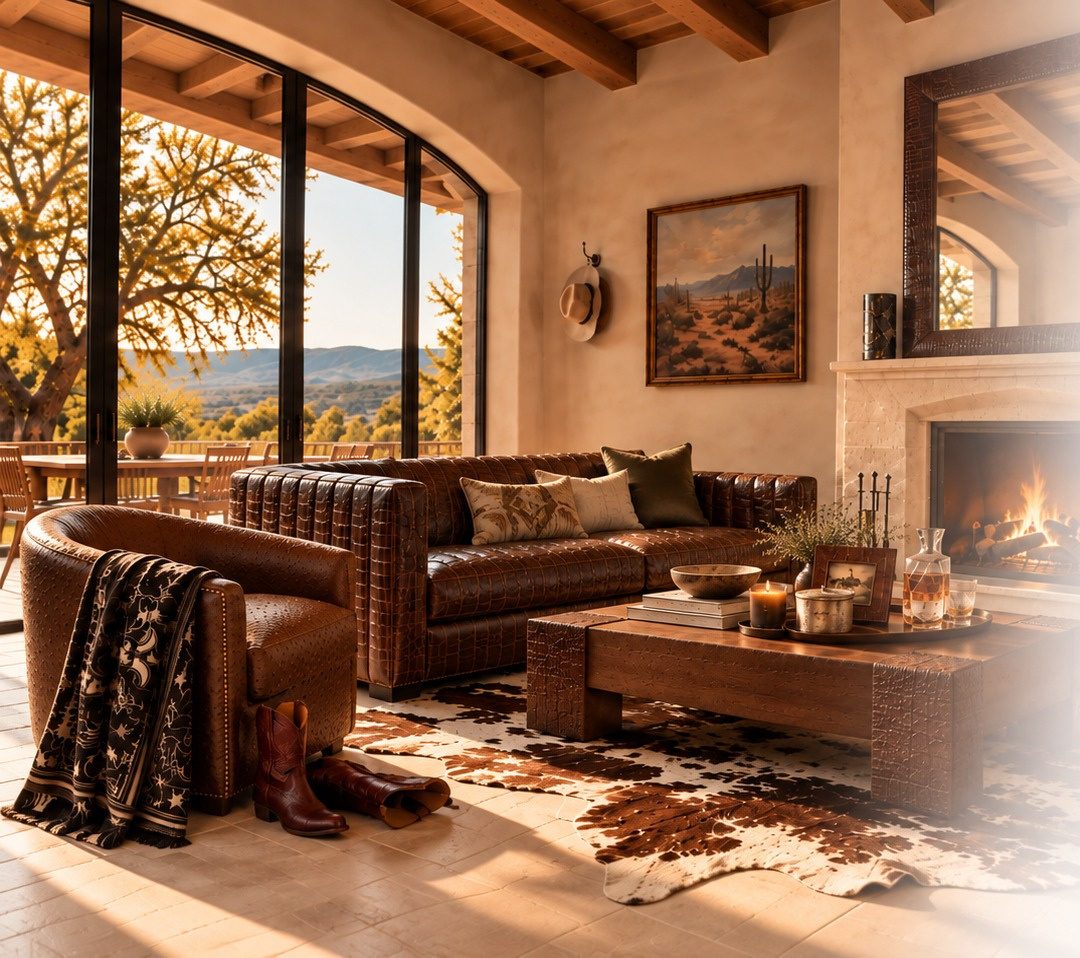
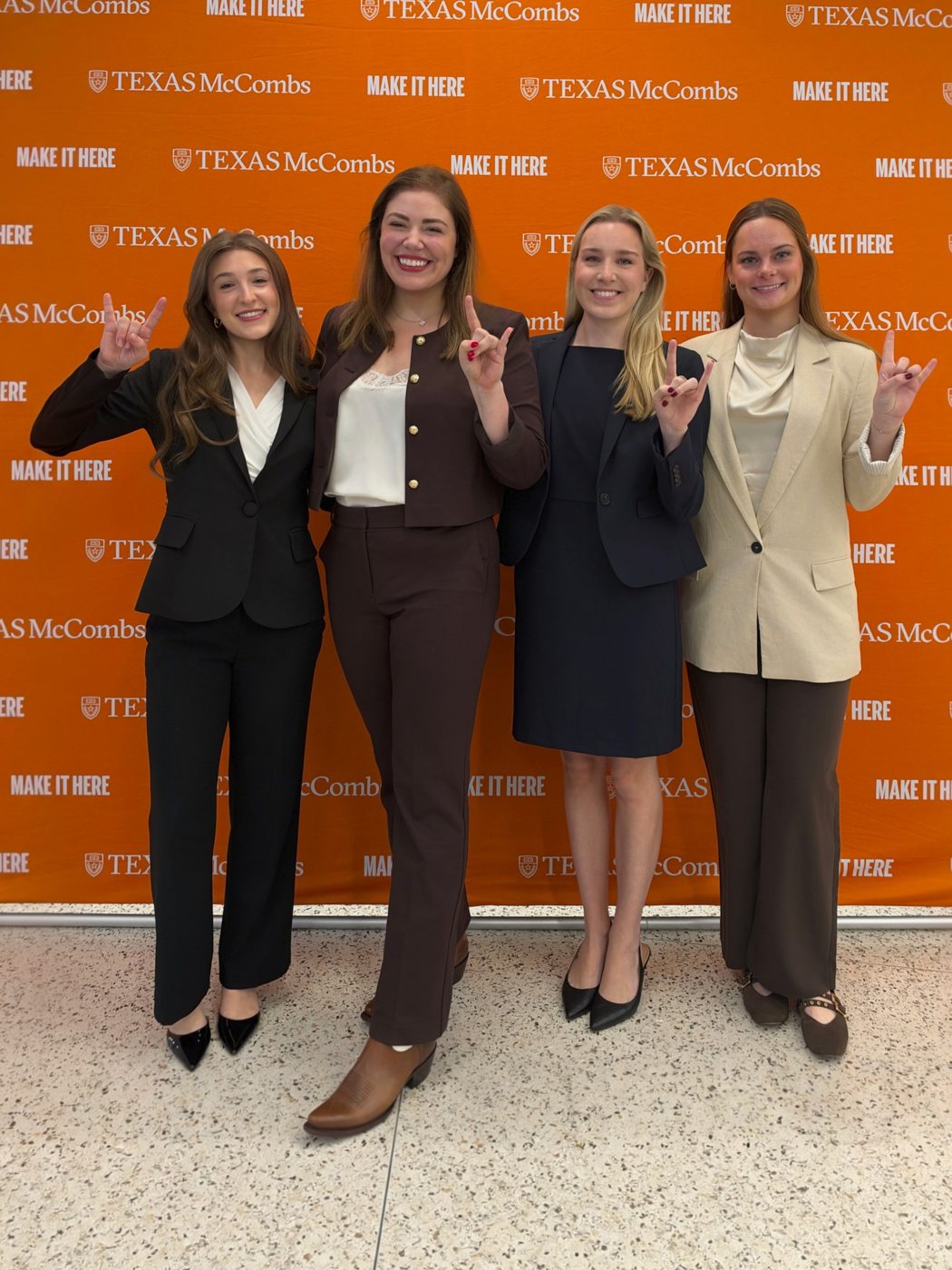
Lucchese challenged McCombs teams to reach its next generation of customers without diluting a 140-year-old brand. My team placed second, presented to Lucchese and earned a follow-up meeting. Our recommendation was Western Where, a luxury home collection.
At a glance
- Challenge
- Lucchese, the Texas bootmaker founded in 1883, wanted to reach a new generation of customers without discounting the boots or diluting a 140-year-old brand.
- My team
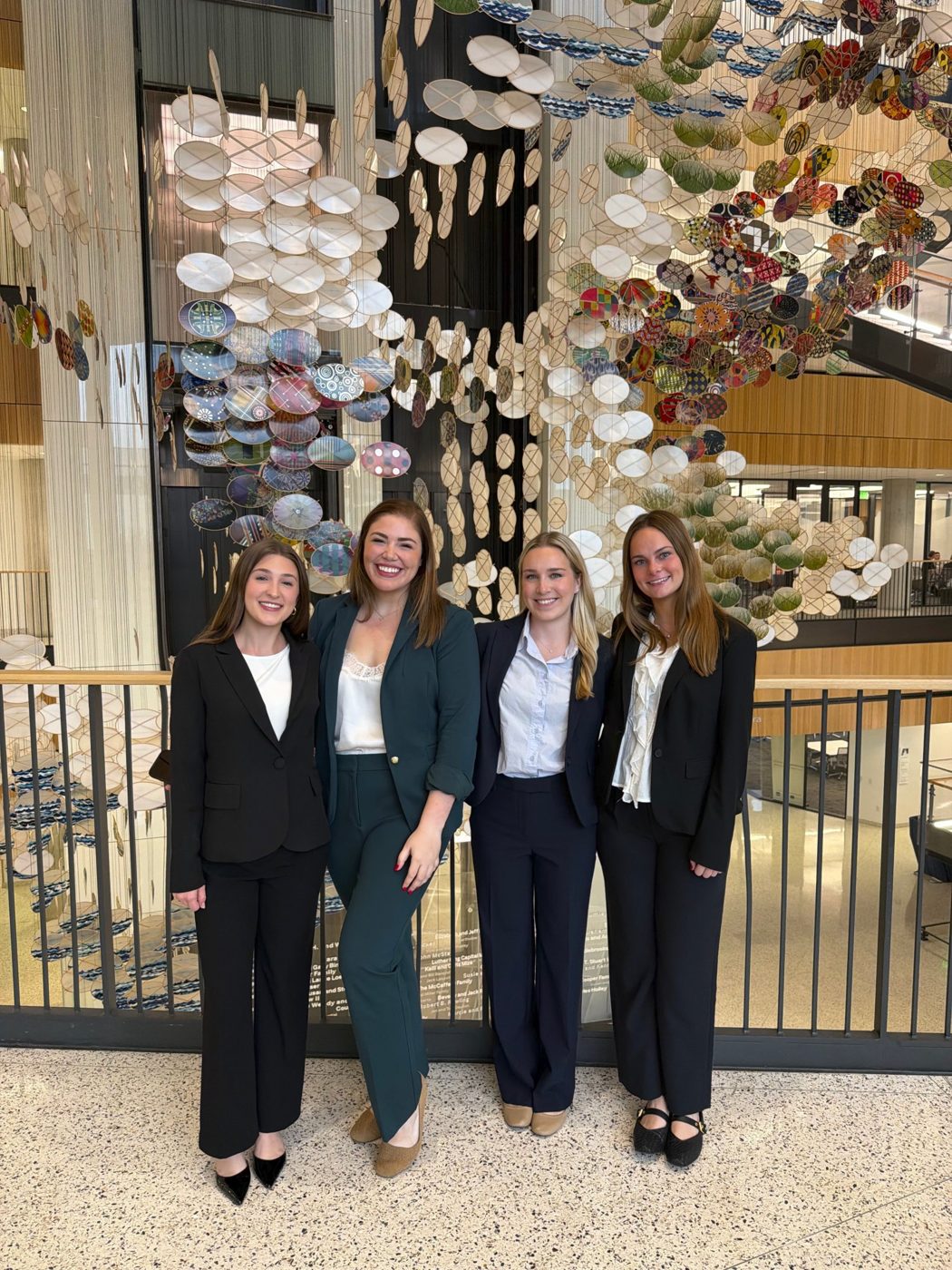
- Four-person team, The 1883 Collective. I owned research, deck design, the creative concept, PR and social, partnership brainstorming, and go-to-market.
- Approach
- Audience acquisition, a marketing campaign, go-to-market planning, and a pilot forecast, built around a luxury Western home collection sold through interior designers.
- Key decision
- Recommend Western Where, a home collection that extends the brand without turning Lucchese into a furniture company.
- Result
- 2nd of 19 teams at the 2026 CCIMS Case Competition at the Texas McCombs Marketing Conference. Presented to Lucchese and invited to a follow-up meeting. Western Where is a proposed strategy, not a launched product, and the partners are proposed rather than signed.
- Result
- 2nd place of 19 teams
- Context
- Lucchese, the Texas bootmaker founded in 1883, wanted to grow beyond footwear without discounting the boots or diluting the brand.
- Business question
- How can Lucchese win a new generation of customers without compromising its heritage?
- What I owned
- Research
- Deck design
- Creative concept
- PR and social
- Partnership brainstorming
- Go-to-market
- Team and timeline
- The 1883 Collective: Paige Vaughn, Audrey Schultz, Lila Deeb, Sloane Hope
- M.S. Marketing, Texas McCombs
- About 9 days, case kickoff to finals (October 2026)
Second of 19 teams, and a seat at the table with Lucchese.
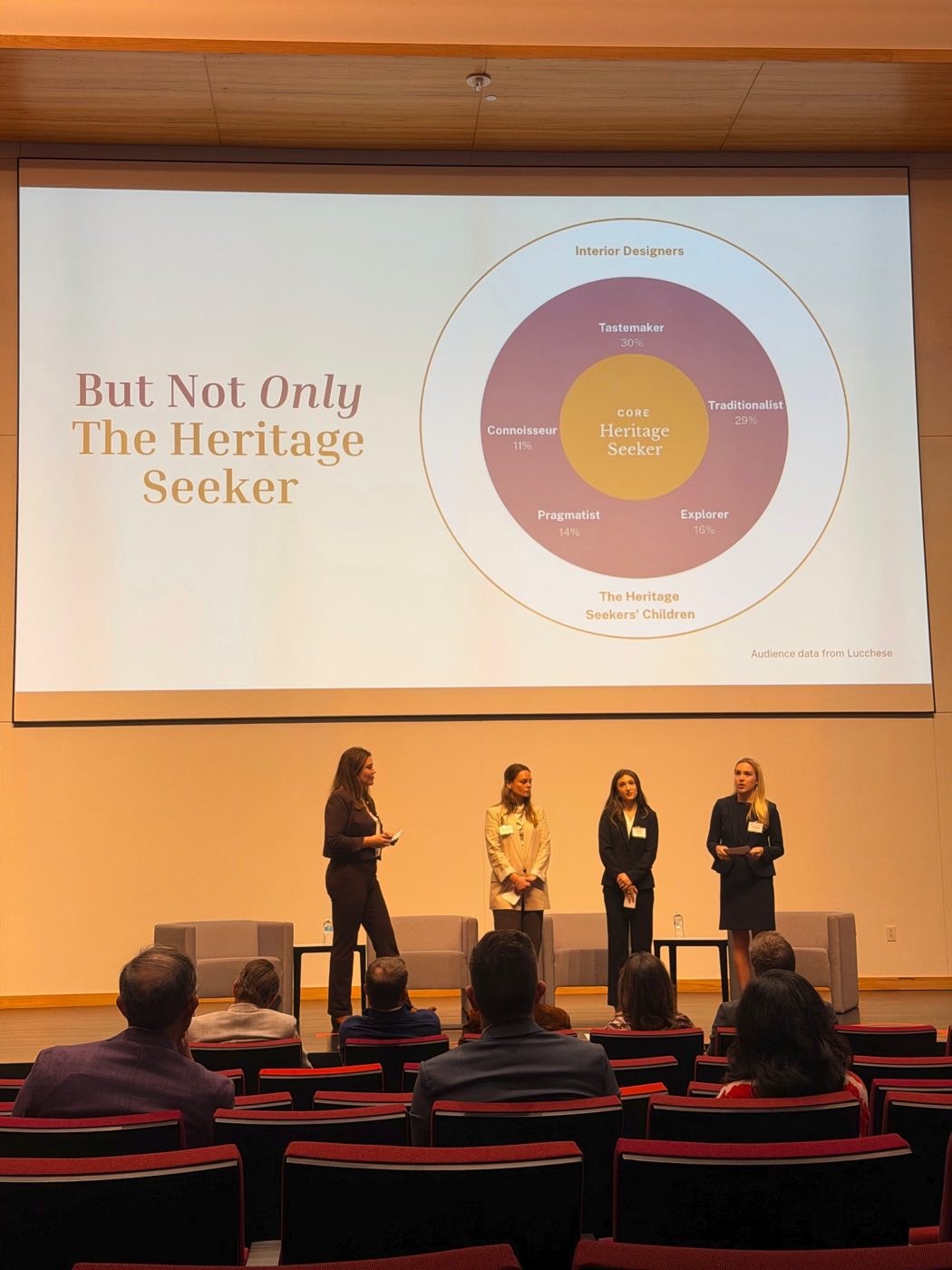
We were the top team in our preliminary room and one of four finalists. We presented to the finals panel and Lucchese in Crum Auditorium on October 30, 2026, placed second, and were invited to a follow-up meeting with Lucchese. The field of 19 four-person teams included MBA candidates.
My role
I worked on the research and the creative concept, designed the deck, and built the PR and social plan. I also helped brainstorm the partnership model and shaped the go-to-market plan.
Grow the Lucchese lifestyle without diluting the boot.
Lucchese has a strong brand, more than 140 years of craftsmanship and a loyal customer base. The brief asked how to reach the brand’s next generation and create new reasons to buy, without discounting or putting the boot line at risk.
Protect the legacy
Keep the craftsmanship, authenticity and premium positioning that define Lucchese.
Expand the lifestyle
Build revenue beyond footwear, with new purchase occasions and higher customer lifetime value.
Reach new customers
Attract affluent, high-value buyers through profitable growth, not price cuts.
“Next generation” meant the next generation of customers, not a younger age group.
The obvious reading of the brief was a younger buyer. But a Gen Z boot customer is a long, expensive bet, and chasing one risks the premium positioning the brief asked us to protect.
The bigger opening was people who love the West and its materials, but don’t wear Western boots. Many of them are already spending heavily on the homes they live in. Lucchese already sells branded home gifts and accessories, so the opportunity was to build on a category it already had, not invent one.
That gave the plan two paths to growth. Interior designers introduce Lucchese to homeowners who may never wear Western boots. Existing customers can carry their affinity into the home, with decor and gifts creating repeat purchase occasions. Both protect luxury price integrity instead of relying on footwear discounts.
Let people live the Lucchese lifestyle without having to buy the boots.
Western Where: a luxury home collection that carries Lucchese’s bootmaking and leather heritage from what you wear to where you live. Any future boot sale is upside, not an assumption the plan depends on.
Meet the Heritage Seeker, and the designer who advises them.
Our core customer is an affluent Gen X homeowner who may be new to Lucchese. They are furnishing or redesigning a primary or second home, and they often work with an interior designer. That makes the designer the gatekeeper, and the channel.
| Who they are | How they buy | What it means for Lucchese |
|---|---|---|
| Affluent Gen X homeowner, often new to Lucchese | Furnishing or redesigning a home, with a primary or second residence | A high-consideration purchase occasion that has nothing to do with boots |
| Values authentic materials and longevity | Seeks distinctive statement pieces they expect to keep for decades | Price integrity holds; this buyer pays for craft, not discounts |
| Often works with an interior designer | Uses designer recommendations to reduce purchase risk | Win the designer and you reach the homeowner. Designers become the acquisition channel |
| Wants a home with a story behind it | Drawn to the West for its authenticity and sense of place, whether or not they grew up there | Lucchese’s 140-year origin story is the product, not just the logo |
“At $7,000, clients aren’t simply buying a chair. They’re investing in craftsmanship, distinctive design, and something they expect to keep for decades.”
Ten pieces. One distinctly Western point of view. Recognizable without a logo.
Western Where pairs statement furniture (leather seating, tables, rugs and mirrors) with finishing touches. Every piece is made to order. The hero offer is the Signature Room: one designed room, priced as a set.
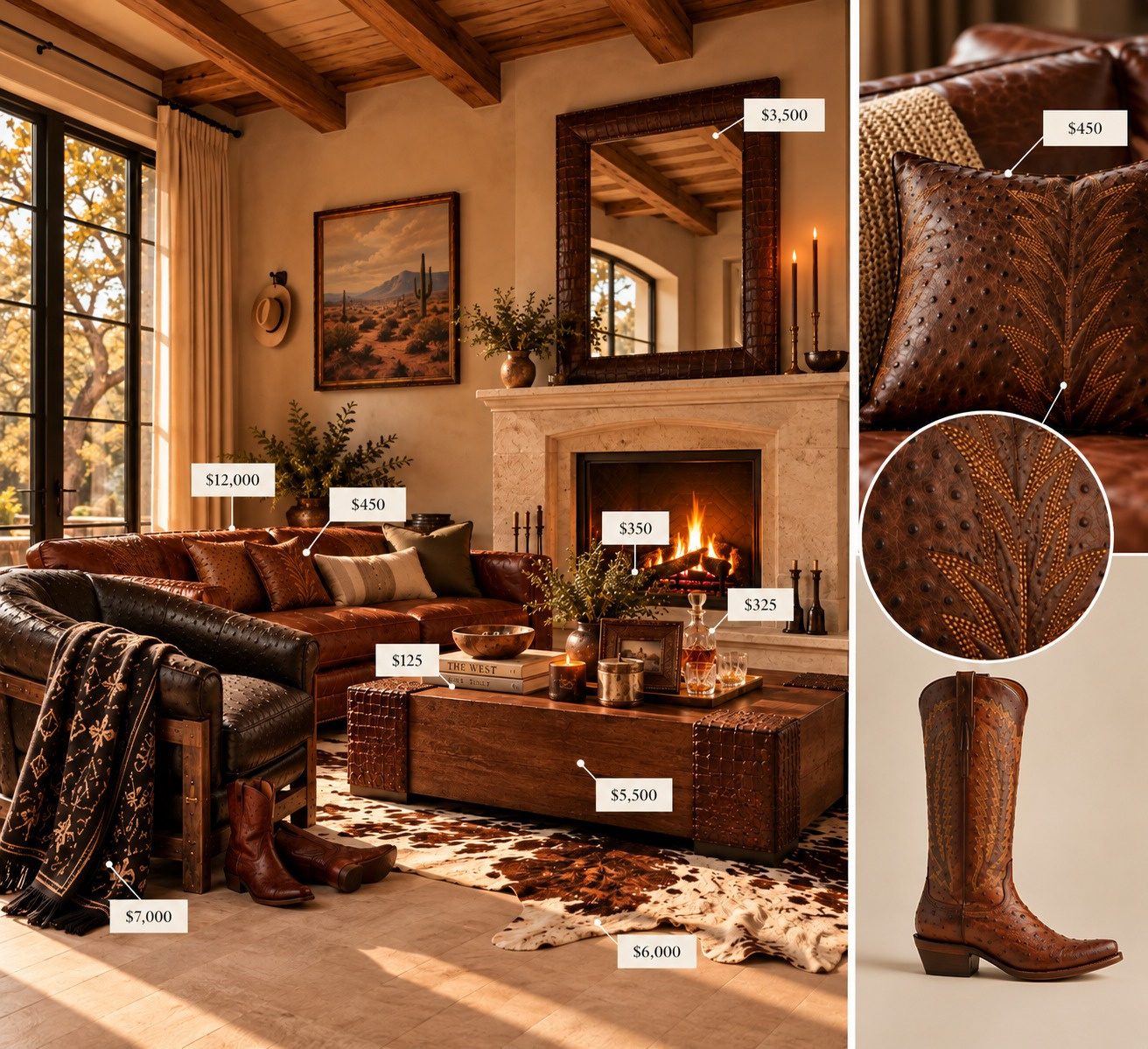
- 01
Signature stitching
Translate recognizable boot-stitch patterns into upholstery, leather accents and soft goods.
- 02
Exotic leather expertise
Use ostrich and other approved premium finishes as a material signature only Lucchese can claim.
- 03
Artisan-informed detail
Develop proportions, tooling, trim and finishes with Lucchese design and leathercraft input.
- 04
Selective presentation
Present each piece as an enduring, collectible object, not mass-market Western decor.
Proposed creative direction. Actual materials, construction and artisan involvement would need partner approval and prototyping.
Three partners, so Lucchese doesn’t have to become a furniture company.
The model borrows a pairing that already works: designer Amber Lewis and manufacturer Four Hands launched a collection together in 2024, sold to the trade through Four Hands and to consumers through Shoppe Amber Interiors. Lucchese adds the one thing that pairing lacks, a distinct luxury Western identity.
Lucchese
Brand authority and craft
- Luxury brand equity and existing affluent customers
- Authentic Western heritage and leather craftsmanship
- Artisan input on materials, finishes and design
Amber Interiors
Proposed creative direction
- Recognized luxury interior designer with a large social following
- Press relationships and product-design experience
- A design-conscious consumer audience Lucchese doesn’t reach today
Four Hands
Proposed manufacturing and trade
- Texas-based manufacturing and product development
- Nationwide trade distribution to interior designers, plus fulfillment
- Builds after each order, so there’s no stock to hold
Proposed partners only. No agreement with Amber Interiors or Four Hands exists.
Luxury buyers already pay these prices. They just can’t buy Lucchese.
The U.S. luxury furniture market is projected to grow from $6.55B to $8.17B by 2031, and the West is its fastest-growing region. We estimated a Western luxury slice of about $655M, 10% of the total. Listed prices at Ralph Lauren Home and RH showed buyers already pay luxury prices for leather and Western-adjacent pieces.
| Category | Piece | Retailer | Listed price |
|---|---|---|---|
| Statement seating | Desert Modern Sofa | Ralph Lauren Home | $14,430 |
| Dover Club Chair | Ralph Lauren Home | $9,870 | |
| Hudson St. Lounge Chair | Ralph Lauren Home | $7,100 | |
| Tables, rugs and mirrors | Thaddeus Marble Coffee Table | RH | $5,695 |
| Velá Luxe Cowhide Rug | RH | $3,740 | |
| Broadside Mirror | Ralph Lauren Home | $3,370 | |
| Finishing touches | Bailey Box · Frame · Vase | Ralph Lauren Home | $350–$395 |
Prices as listed during the competition, October 2026.
Others sell a look. Lucchese can sell the real thing.
Ralph Lauren Home owns equestrian and country-estate luxury. RH owns architectural luxury. Smaller Western brands have the aesthetic but lack scale, a known reputation and consistent craftsmanship. None of them can claim 140 years of Western bootmaking.
| Signature design details | Boot-stitch patterns no competitor can borrow |
| Exotic leather expertise | Ostrich and premium finishes as a material signature |
| Artisan-informed craft | Proportions, tooling and trim shaped by Lucchese leathercraft |
| Authentic Western heritage | Founded in Texas in 1883, not styled to look that way |
“They’re investing in heirloom-quality furniture that tells a story and can be passed down for generations.”
One room is worth $15,580 in contribution. About 25 rooms make the pilot pay.
We built the model around the Signature Room, then asked how many rooms it would take to clear a 4:1 ratio of retail sales to marketing spend. The answer was about 25, with no incremental boot sales assumed.
| Leather sofa | $12,000 |
| Leather club chair | $7,000 |
| Cowhide rug | $6,000 |
| Leather coffee table | $5,500 |
| Leather mirror | $3,500 |
| Pillow, vase, frame, keepsake box, book | $1,500 |
| Signature Room | $35,500 |
Year 1 pilot: three scenarios, two decision lines
Fig. 02 · Projected retail sales ÷ marketing spend, Year 1 pilot. Net contribution after $550K marketing and $150K development.
| Year 1 pilot | Downside | 4:1 minimum | Upside |
|---|---|---|---|
| Rooms / pieces / accessories | 15 / 80 / 800 | 25 / 125 / 1,250 | 40 / 200 / 2,000 |
| Projected retail sales | $1.20M | $2.26M | $4.16M |
| Sales ÷ marketing | 2.2x | 4.1x | 7.6x |
| Net contribution | −$159K | +$322K | +$1.19M |
What the model says
The base case needs about 25 rooms, 125 individual pieces and 1,250 accessories in Year 1 to reach $2.26M in retail sales and a 4.1x return on marketing. Year 2 scale projects $5.65M.
The downside still loses only $159K, because made-to-order production means no inventory risk.
The decision rule
- Scale at 4:1 or better, with 25+ rooms sold.
- Stop or redesign below 2.8x.
- Validate before scale: customer demand, partner royalty and trade terms, production lead times, logistics and return costs.
Discovery through designers. Proof in the room. One story everywhere.
The launch runs through places this buyer already trusts: the Four Hands trade network, Round Top, select Lucchese stores and design media. We mapped the customer’s emotions at each stage, then gave every stage a Lucchese moment and its own measure, so the pilot shows where the journey breaks before money goes into scaling it.
| Stage | What they think | The Lucchese moment | The boot connection | We measure |
|---|---|---|---|---|
| 01 Inspire | Curious. “Make it feel like the West, not a hotel.” | Designed rooms that pair home and outfit, in catalogs, Instagram and shelter magazines | Every spread shows the room and the boots | Catalog response rate |
| 02 Explore | Overwhelmed. “I don’t have time to source it all.” | Furnished store vignettes, so they can shop the room on sight, often with their designer | Furniture sits beside the boot wall | Store visit to consult |
| 03 Design | Confident. “I want an expert’s eye.” | Turnkey room packages, chosen with their designer | Match a chair to your boots’ leather | Room-package conversion |
| 04 Receive | Anxious. “Will it arrive before the season?” | White-glove install, with decor shipped first to bridge 16+ week lead times | A boot-fitting invitation with delivery | On-time delivery rate |
| 05 Live and host | Delighted. “Guests keep asking where it’s from.” | Leather care visits for home and boots, plus seasonal drops | Guests and family get their first pair | Home buyers who add boots |
The plan never needs a boot sale to work, but every stage leaves a door open to one. That is how the home business could feed the core business over time.
“From the Bootmaker’s Bench to the Living Room”
One story told across earned media, social and partner channels. It shows the craft behind each piece, so a $12,000 sofa reads as an heirloom, not a licensing deal. Concepts only; no coverage was secured.
Develop, launch, then measure and scale
Negotiate partnership agreements and exclusive designs, then prototype and validate quality and pricing. Pilot through select Lucchese stores and designer channels, activating Round Top, PR and partner social audiences. Track qualified leads, conversion and profitability, and expand distribution only on pilot performance.
| Risk | What could go wrong | Mitigation |
|---|---|---|
| Customer demand | New customers may hesitate to buy Lucchese furniture | Validate through designer feedback, preorders and a limited pilot |
| Operational feasibility | Furniture production and fulfillment could erode profitability | Use Four Hands’ existing infrastructure; set cost and quality standards up front |
| Brand exclusivity | Category expansion could dilute luxury positioning | Keep premium pricing, selective distribution and artisan-informed designs |
What I’d validate before Lucchese spends a dollar on inventory.
Three things to test first
Demand: designer interviews, price tests and deposits before any build. Partner terms: royalty, trade discounts and revenue share, which change the 46% contribution rate most. Operations: made-to-order lead times, last-mile delivery and return costs on large leather pieces.